Raising a Little Global Citizen
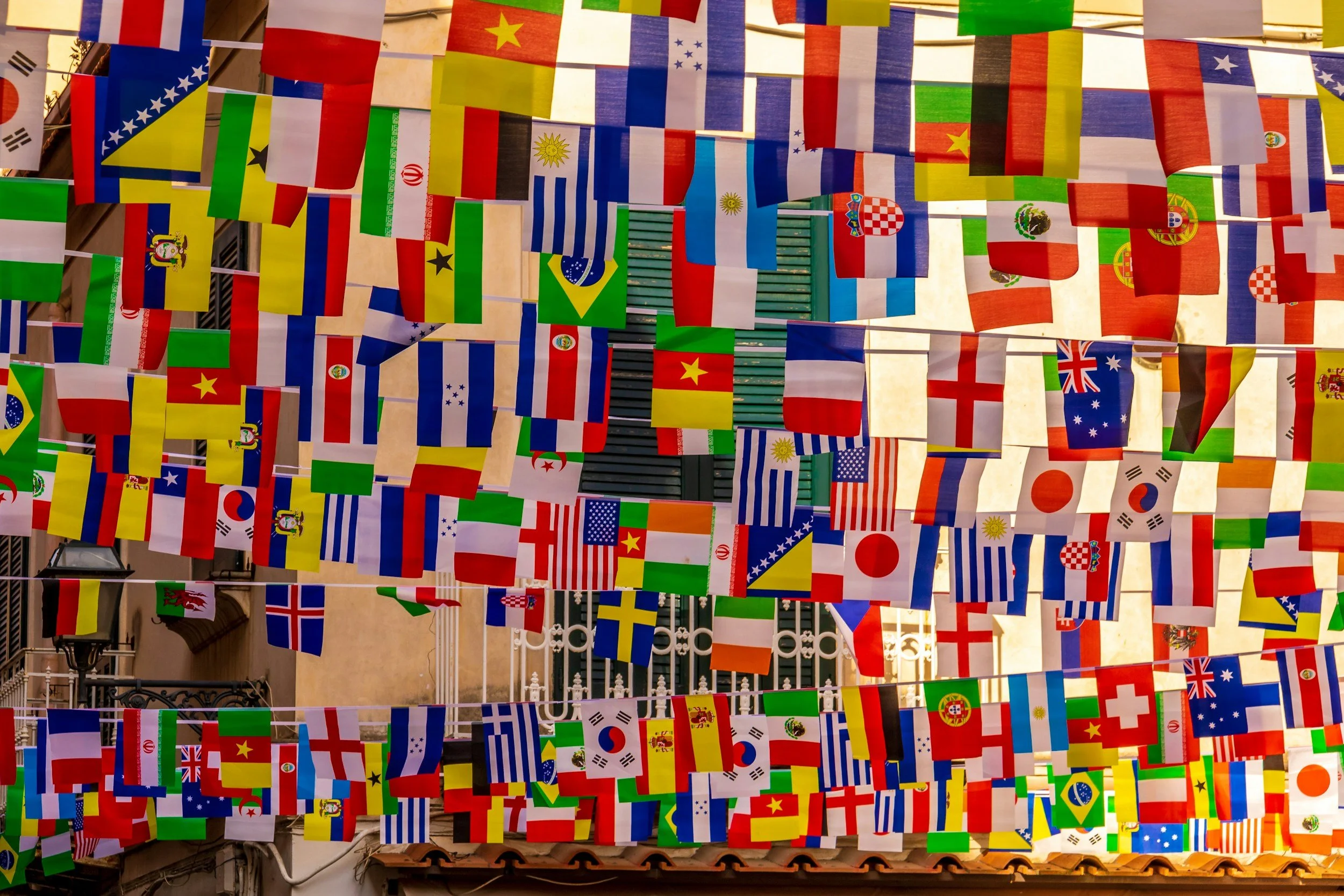
Families across Georgia are joining millions of people around the world in celebrating soccer's biggest stage – FIFA World Cup. This summer, with Atlanta hosting World Cup matches and Georgia communities offering many soccer-inspired events, children may become intrigued by the many different team jerseys, flags, and visitors in our state making now an ideal time to introduce your children to new cultures, languages, foods, and traditions.
While young children may not understand every rule of soccer (or football, as it is called in some countries) or why so many adults are excited about the game, they are naturally curious about the people, places, and traditions that make the World Cup a global celebration. For parents and caregivers, this presents a wonderful opportunity to help children learn about the world around them in fun, age-appropriate ways. These experiences help build empathy, curiosity, respect for differences, and a sense of connection to a larger world, which are important skills for growing learners.
Here are some simple ways to turn World Cup excitement into meaningful family learning.
Start with a Map
Young children are often fascinated by maps and globes. Show your child a map of the world and point out some of the countries participating in the World Cup. And you don't need to be a geography whiz as part of the fun is exploring the map and learning together. One of the things to focus on is helping your child understand that people all over the world live in different places and speak different languages.
Try asking:
Where do you think this country is?
How do you think children play there?
What animals might live there?
How far away do you think it is from Georgia?
For preschoolers, placing stickers on countries or coloring a simple world map can make learning more interactive.
Create a Family Passport
Children love pretending, and a homemade passport can encourage exploration. Use paper, markers, and stickers to create a "Family World Cup Passport." Each time your family learns about a new country, your child can add a stamp, drawing, or sticker to their passport.
You might include:
The country's flag
A favorite food
A new word
A picture of an animal or landmark
This activity builds early literacy skills while making learning feel like an adventure.
Learn Greetings from Around the World
Young children enjoy learning new words and sounds. Choose a few countries participating in the World Cup and learn how people say "hello."
For example (from Globe Trottin’ Kids):
Hola (Spanish) – “OH-lah”
Bonjour (French) – “bohn-ZHOOR”
Konnichiwa (Japanese) – “cone-knee-chee-wah”
Jambo (Swahili) – “JAHM-boh”
Hallo (German) – “HAH-loh”
Practice greeting one another throughout the day. Even learning a single word can help children recognize that people communicate in many different ways.
Taste the World Together
Food is one of the easiest ways to explore different cultures. You can take advantage of Georgia’s many cities that include restaurants that offer delicious international cuisines, visit an international market or specialty food store, or you can prepare a recipe with your little one inspired by a specific country.
As you eat together, talk about:
Where the food comes from
What ingredients are used
How families in other countries might enjoy similar meals
Remember that the goal isn't to become experts. It's simply to encourage curiosity and openness to new experiences.
Read Stories from Around the World
Books can introduce children to places and people they may never have encountered before. Visit your local library and look for children's books featuring different countries, cultures, languages, and traditions. Stories help children see both the differences and similarities that connect people everywhere.
As you read, discuss:
What is the same as your family?
What is different?
What would you like to learn more about?
Some book suggestions:
The Hello Atlas (includes greetings from more than 100 languages and audio from native speakers)
Children Just Like Me
Whoever You Are by Mem Fox
This Is How We Do It by Matt Lamothe
Last Stop on Market Street by Matt de la Peña
These conversations help build empathy and understanding from an early age.
Listen to Music From Different Countries
Music can introduce children to new languages, instruments, rhythms, and traditions.
Create a family playlist featuring music from around the world. Check out these songs from AllAroundThisWorld.com.
Dance together and ask:
Does the music sound fast or slow?
What instruments do you hear?
How does it make you want to move?
Children often learn best when they can move, listen, and explore with all their senses.
Celebrate What Makes Us Unique
As children learn about different countries and cultures, it's also important to celebrate your family's own traditions and heritage.
Talk about:
Family recipes
Where older relatives grew up
Languages spoken at home
Cultural traditions
Favorite celebrations
Family stories
Helping children understand their own identity while appreciating others is an important step toward becoming a global citizen. So, this summer, let the excitement of the World Cup inspire your family to explore new places, discover different cultures, hear new family stories, and celebrate the many ways people around the world are connected.
One of the greatest gifts we can give our children is the understanding that while people may look different, speak different languages, or live in different places, we all share a common world.
QCC Parent Tip
You don't have to travel internationally to help your child become a global citizen. Learning a greeting, trying a new food, listening to music from another country, or attending a cultural event in your community can all help children build curiosity, empathy, and respect for others -- skills that support learning, friendships, and success in life.