Feeding young children can feel like a daily puzzle. Some days they love carrots and tomatoes, and the next day they refuse to eat all vegetables. Their ever-changing tastes and the growing independence can make the planning mealtimes challenging.
Still, you want to offer nutritious foods your children will actually eat, but groceries are expensive and schedules are busy. And some days, just getting dinner on the table feels like a win, whether anyone eats it or not.
We spoke with nutrition experts for suggestions on how Georgia families can make the most of their time, stretch their grocery budget, and take some of the stress out of mealtimes. One of the most important reminders was that healthy family meals don't have to be expensive or complicated, and they definitely don’t have to be perfect.
The nutrition experts agreed that families can see big benefits from making small changes in how they shop, plan, and serve food. See below for more advice they shared, and watch our Fueling Families: Healthy Eating, Smart Shopping & Budget-Friendly Meal Planning webinar for even more information.
Shop your kitchen first to save money and avoid waste
Before heading to the grocery store, take a quick inventory of your refrigerator, freezer, and pantry to see if you already have ingredients that can become part of the week's meals. Then check your grocery store's weekly specials. Because meat can be one of the more expensive parts of a meal, consider planning meals around proteins that are on sale and mixing in lower-cost options such as beans, lentils, eggs, and peanut butter.
Once you have taken stock of what you have on hand, create your weekly meal plan and a grocery list to help reduce impulse purchases and prevent buying something you already have.
Remember: Fresh isn't the only healthy choice
While eating in-season fruits and vegetables is often less expensive and always a good choice, fresh produce isn’t the only choice. Frozen and canned fruits and vegetables can be nutritious, convenient, and budget-friendly options and are often easier to store than many fresh foods.
Here are a few ways to make canned and frozen items healthier:
Choose frozen vegetables without added sauces when possible so you can season them the way your family likes.
Drain and rinse canned vegetables to help lower the amount of sodium.
When buying canned fruit, look for fruit packed in 100% juice when available.
Make meal planning work for your family
Meal planning doesn't mean spending an entire day prepping seven dinners or coming up with all the answers by yourself. If this task feels daunting, start by including meals your family already enjoys. And ask your children for ideas too!
Let each child choose a dinner occasionally. If the answer is chicken nuggets, that's okay! Ask questions such as, "What fruit should we have with them?" or "What vegetable should we add?" This helps children learn how to create a balanced meal and may encourage them to eat a meal they helped plan.
You don't need to create a brand-new menu every week. Save a few weekly meal plans and rotate them or mix and match meals to create new plans.
Keep a few "too tired to cook" meals ready
The experts we spoke with reminded us that not every dinner needs to be made from scratch. They suggested incorporating a few easy-to-make meals into your weekly plan that you can put together quickly. Suggestions included: black bean quesadillas with vegetables, pasta with sauce and ground beef, tuna sandwiches, or a rotisserie chicken with frozen vegetables and rolls.
If ordering takeout or visiting a restaurant fits into your budget, look at your family's schedule and decide ahead of time when eating out makes sense. Planning for those nights can help you make more realistic choices and reduce the last-minute "What are we going to eat?" scramble.
Turn leftovers into a plan
Learn to love leftovers! They can save both time and money.
An easy way to make the most of leftovers is to cook extra chicken one night and use it later in the week for soup, quesadillas or a burrito bowl, or add it to a pasta dish or salad. Or create a weekly "this and that" dinner night: Put several leftovers and produce that needs to be eaten on the table and let everyone build their own plate.
Take the pressure off picky eating
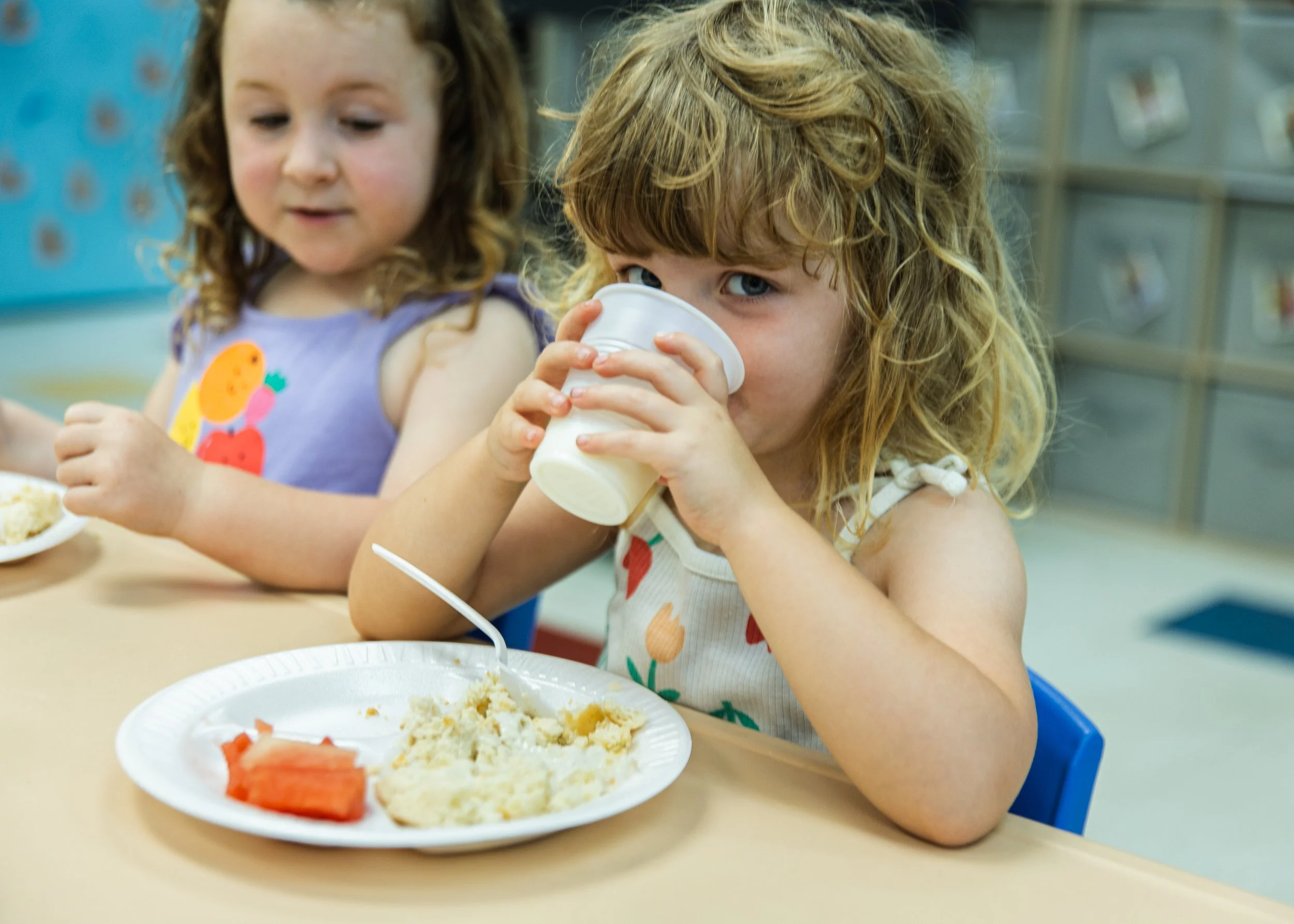
Young children may need to encounter a new food many times before they're ready to try it. Your job is to stay patient and keep offering a variety of foods without forcing your child to eat them or clean their plate. You can try changing how you prepare a food, too. A child who doesn't like raw carrots may prefer them steamed or roasted.
Most importantly, as you encounter these mealtime struggles, think about your child's eating habits over time, not just one meal. Healthy habits develop over weeks, months, and years. Repeatedly offering nutritious foods in a positive environment and letting children see you enjoy those foods can be more helpful – and enjoyable -- than turning dinner into a battle.
Find out what's being served at your child’s early learning and care program or school
Your child's early learning program can be an important partner in healthy eating. Many child care programs participate in the federal Child and Adult Care Food Program (CACFP), which provides nutrition standards for meals and snacks. Ask your provider whether the program participates and request a copy of the menu.
This might help you plan menus of your own as you can avoid serving the same food on the same day or have conversations with your child about new foods they have tried while at their child care program.
Talk with your child’s teachers about their eating habits at school. You may even discover your child is eating foods at child care that won't make it onto their plate at home. Seeing friends and teachers eating different foods can often encourage children to try something new, making this a win-win for meals at home.
Need food assistance?
If your family needs help putting enough food on the table, asking for support is another way of taking care of your family. Georgia families can call 211 to learn about resources in their communities or connect with food banks and food pantries throughout the state.
Additional Resources
Feeding Georgia: Find the regional food bank serving your community and connect with food assistance resources near you.
Atlanta Community Food Bank: Families in its North Georgia service area can find local food assistance, food pantries, and help accessing benefits such as SNAP.
Georgia DECAL – Family Resources: Find information about child care, Georgia's Pre-K Program, CAPS financial assistance, nutrition services, and other resources for families.
Georgia DECAL – Child Nutrition Programs: Learn more about the Child and Adult Care Food Program (CACFP), healthy eating in early care and education, and nutrition resources for young children.
Quality Care for Children’s Georgia Parent Power: Our Georgia Parent Power blogs and webinars supply parents and guardians with tips, articles, and events focused on your child’s care and development.
TOP TIPS FOR BUSY PARENTS TO CREATE HEALTHY MEALS
Shop your pantry, refrigerator, and freezer before shopping at the grocery store.
Plan meals around sales and affordable proteins like beans, eggs, and lentils.
Remember that frozen and canned fruits and vegetables count, too.
Keep two or three easy backup meals on hand for hectic nights.
Cook once and intentionally use leftovers for another meal.
Involve children in choosing meals and foods.
Don't judge your child's nutrition by one meal. Healthy habits take time to develop.