How to Help Your Child Adjust to Preschool: 6 Tips for Georgia Parents
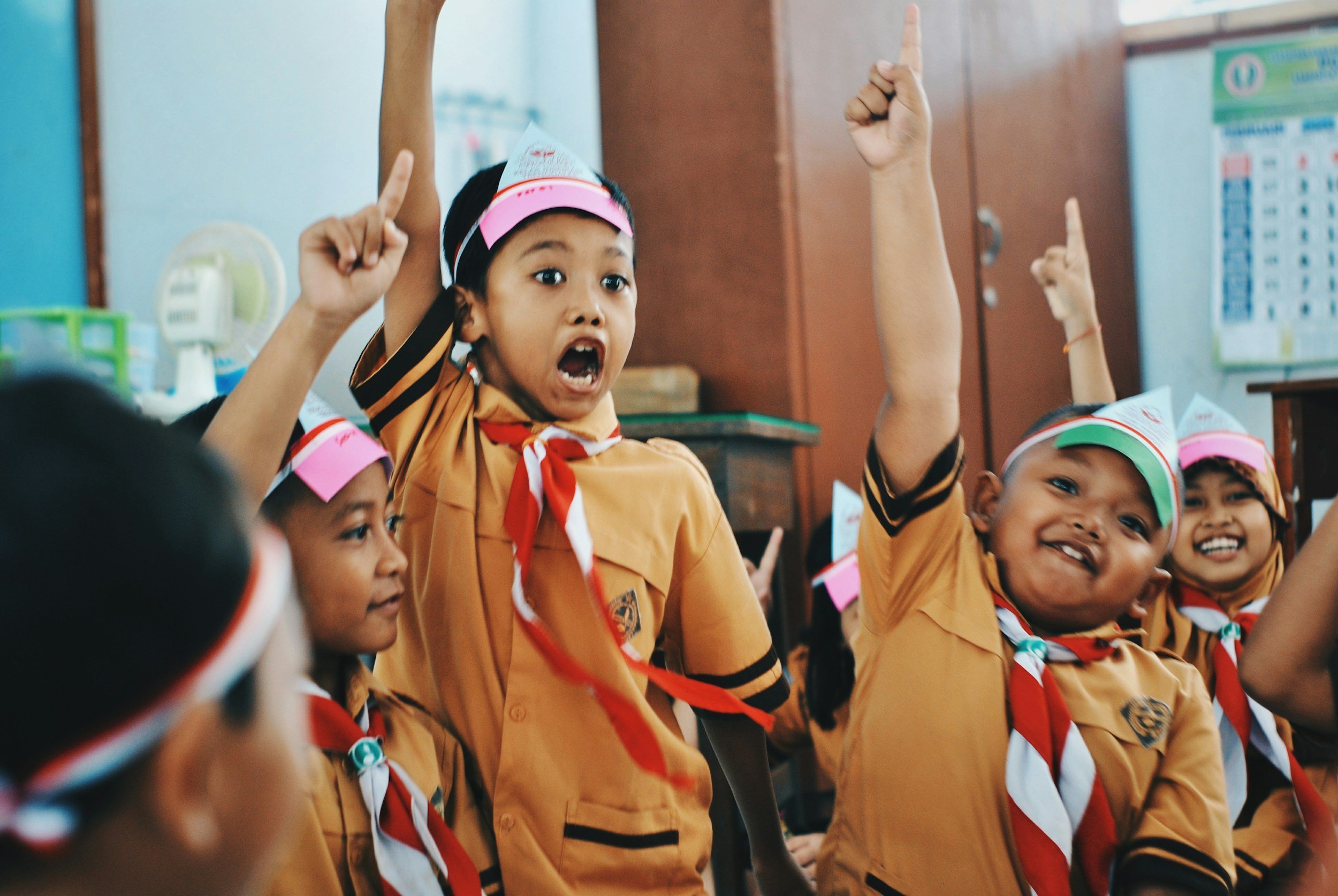
For many Georgia families, the first few weeks of preschool bring a mix of excitement, pride, and sometimes even a few tears. Whether your child happily runs into the classroom or still clings tightly to you at drop-off, remember that every child adjusts to preschool in their own time.
Starting preschool is a major milestone. For many children, it will be the first time your child spends part of the day away from family, follows a classroom schedule, or spends some of the day with children their own age. While this transition can feel overwhelming at first, it also marks the beginning of exciting opportunities to learn, make friends, and build confidence.
If preschool has already started and your family is still finding your rhythm, you're not alone. The first few weeks are an adjustment for everyone. With consistency, patience, and encouragement, you can help your child feel safe, confident, and excited about school. And knowing that your child is in good hands and happy will help you adjust to this new school experience better as well.
Here are six ways to support your child's transition and help establish routines that set them up for success.
1. Create Consistent Morning and Evening Routines
Even if preschool has already begun, it's never too late to establish routines that help your child feel secure. Young children thrive when they know what to expect, and predictable routines can make busy mornings less stressful while helping children shift more easily between home and school.
Try to keep wake-up times, meals, bedtime, and your morning departure routine as consistent as possible. Simple habits like laying out clothes the night before, packing backpacks together, or reading the same bedtime story each evening help children understand what comes next and build a sense of security.
Routines don't have to be perfect. They just need to be consistent.
2. Create Calm and Predictable Goodbyes
It's completely normal for some children (or parents!) to cry or become upset during morning drop-off. Separation anxiety is a natural part of development for many young children and doesn't necessarily mean they dislike preschool.
As difficult as it can be, try to keep your goodbye routine short, warm, and consistent. A hug, a kiss, and a simple phrase like, "I love you. I'll see you after snack time," can become a comforting ritual your child learns to trust.
Avoid sneaking away while your child is distracted. Although it may seem easier in the moment, children build trust when parents say goodbye and follow through on returning when promised. Plus, many children stop crying within minutes after you leave and quickly become engaged in classroom activities.
3. Give Your Child Time to Adjust
Some children embrace preschool from day one. Others need several weeks or even longer to feel comfortable. Every child's journey is different, and that's okay.
If you have a child that is having a bit harder of a time adjusting to their new schedule and being away from home, they may seem more emotional, extra tired, or need additional reassurance at home during those first few weeks. Instead of expecting everything to feel "normal" right away, celebrate small victories, such as:
Walking into the classroom more confidently
Saying goodbye with fewer tears
Talking about a new friend
Singing a classroom song at home
Trying a new activity
4. Build a Positive Partnership with Your Child's Teacher
One of the most valuable things you can do – from the very beginning -- is build a friendly, trusting relationship with your child's teacher.
Teachers are important partners in your child's early learning journey. They spend hours each day getting to know your child's personality, interests, strengths, and areas where they may need extra support. You can help your child's teacher create a positive experience by sharing information about your child, including:
Favorite comfort items or activities
Allergies or health concerns
Family routines
Any recent changes at home that may affect behavior
Strategies that help calm or encourage your child
Likewise, stay curious about what's happening in the classroom. Ask how your child is adjusting, any concerns that teachers and staff may have about your child, what your child enjoys while at preschool, and how you can reinforce learning and routines at home. Also, make an effort to get to know the preschool teachers and staff better by asking them about their day, what they like to do when not in school, and sharing positive things your child says about his day when he is home with you.
When children see parents and teachers working together, they feel more secure and supported.
5. Watch for Signs Your Child Is Adjusting
Parents often expect their child to come home eager to share every detail about preschool. But many young children need time to process their day and may not have the words to explain their experiences.
Instead, look for small signs that your child is becoming more comfortable, such as:
Mentioning a classmate or teacher by name
Singing a new song
Pretending to "play school" at home
Showing interest in classroom projects
Becoming more comfortable during morning drop-off
Talking positively about going back to school
These everyday moments are often signs that your child is building confidence and beginning to feel at home in their new environment.
6. Be Patient -- with Your Child and Yourself
Transitions aren't only challenging for children -- they can be emotional for parents, too.
You may wonder if your child is making friends, eating lunch, or missing you during the day. Those feelings are completely normal. Hopefully, you will take comfort in knowing that your child is being well cared for in a safe, engaging and nurturing environment.
Focus on making the most of your time together when your child is out of school. For example, instead of asking lots of questions the moment you pick your child up from preschool , try simple, open-ended prompts like:
"What made you smile today?"
"What was your favorite part of the day?"
"Who did you play with today?"
If your child doesn't want to talk right away, don't worry. Sometimes conversations happen naturally later during dinner, bath time, or bedtime. Most importantly, offer encouragement instead of pressure. Your calm confidence helps your child believe that preschool is a safe, welcoming place to learn and grow.
When Should Parents Be Concerned?
It's perfectly normal for children to experience some tears, hesitation, or clinginess during the first few weeks of preschool. However, if your child continues to show intense distress for an extended period, refuses to participate in classroom activities, experiences significant changes in eating or sleeping habits, or seems unusually withdrawn, it may be helpful to schedule some time with your child's teacher.
Together, you can discuss what they're seeing at school and identify strategies to support your child. If concerns continue, your pediatrician can also provide guidance and help determine whether additional support is needed.
Every Child's Journey Is Unique
Adjusting to preschool isn't about having a perfect first day or even a perfect first month. It's about building confidence over time. With loving support, consistent routines, and strong partnerships between families and teachers, children learn that school is a place where they belong. Every successful goodbye, every new friendship, and every small accomplishment help build the independence, resilience, and curiosity that will support your child for years to come.
Looking for more ways to support your child's early learning journey?
These resources offer additional tips for helping young children adjust to preschool and build healthy routines.
13 Tips for Starting Preschool (National Association for the Education of Young Children)
Tips for Creating Structure and Rules (Centers for Disease Control and Prevention (CDC) – Essentials for Parenting Toddlers and Preschoolers)
From Home to Early Ed: Resources for Families (National Association for the Education of Young Children)